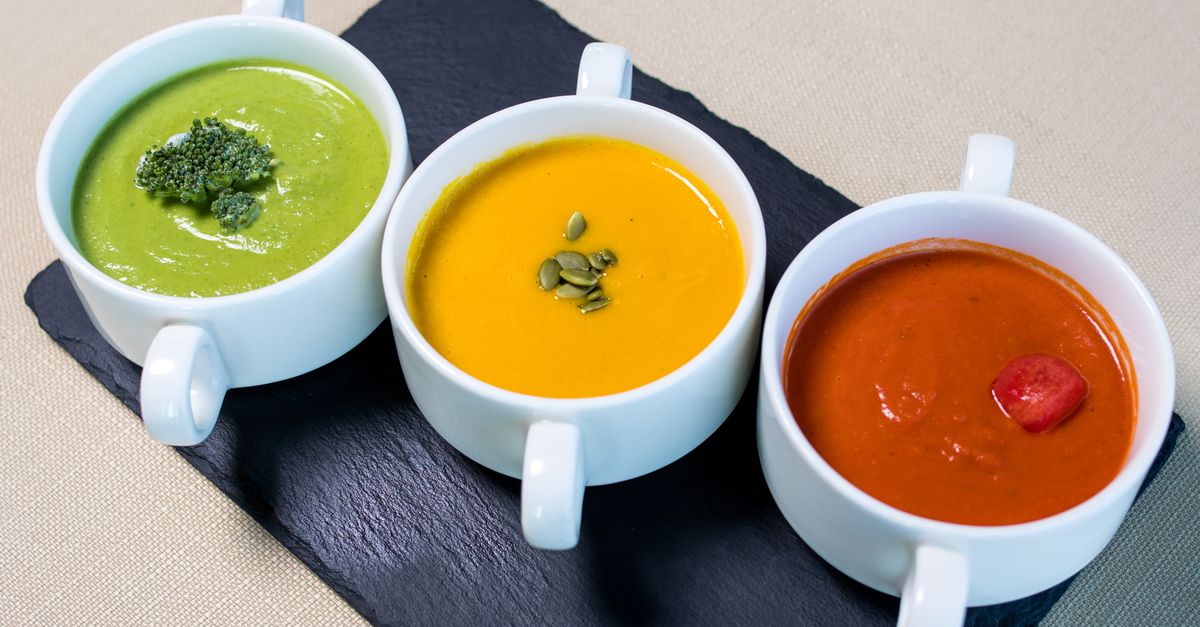
Is there anything more comforting than a steaming bowl of homemade soup on a chilly evening? I’ve always thought so. Yet, for years, my homemade soups consistently fell short. They were fine, don’t get me wrong. Edible. But they lacked that profound, soul-satisfying depth you find in a really good restaurant’s offering, or that incredible aroma that fills the kitchen when a truly masterful cook is at work. Mine often tasted… watery. Or simply like a collection of ingredients rather than a harmonious whole. I’d dutifully chop, simmer, and season, only to be met with a shrug from my family and a lingering sense of culinary dissatisfaction.
The mistake I see most often, and one I made for a long time, is thinking that simply combining good ingredients and adding salt is enough. It’s not. Building flavor in soup is a process, an art even, that involves layering. It’s about coaxing the most out of each component at the right time. For a long time, I treated soup like a ‘dump and stir’ operation, and the results reflected that. What changed everything for me was understanding that flavor isn’t just added; it’s developed, concentrated, and integrated. It’s about heat, time, technique, and a willingness to be a little bit more deliberate in the kitchen. If your soups are perpetually bland, lacking that ‘wow’ factor, you’re likely missing one or more of these crucial flavor-building steps.
Key Takeaways
- Build a foundational flavor base by properly browning aromatics and meat before adding liquids.
- Utilize umami-rich ingredients like tomato paste, mushrooms, or Parmesan rinds to add depth and savoriness.
- Incorporate acidic elements at the right time to brighten flavors and prevent soups from tasting flat.
- Finish soups with fresh herbs, good quality fat, or a touch of something unexpected to elevate their final taste.
The Overlooked Power of Proper Browning and Sautéing
The most significant revelation for me in my quest for flavorful soup was the concept of the ‘flavor base.’ For years, I would toss diced onions, carrots, and celery (the mirepoix) into a pot with a splash of oil and barely cook them until they were translucent. The goal, I thought, was to soften them. While softening is necessary, it’s only half the story. The real magic happens when you allow these vegetables, and any meat you’re using, to truly brown and caramelize. This is where the Maillard reaction kicks in, creating hundreds of new flavor compounds that simply don’t exist in un-browned ingredients.
Think about it: a raw onion tastes pungent. A barely cooked onion is sweet and soft. A deeply caramelized onion is complex, nutty, and intensely savory. That’s the flavor transformation you want happening in your soup pot. I now start my soups by sautéing my aromatics (onions, garlic, leeks, shallots) over medium heat, allowing them to soften for several minutes, then pushing them to the edges and adding any protein. I let chicken thighs get deeply golden-brown, or beef chunks form a crust on all sides. I’m not afraid of the little brown bits that stick to the bottom of the pot—those are pure flavor gold. Once everything is beautifully browned, I deglaze the pot with a splash of wine, broth, or even water, scraping up all those delicious fond bits. This step alone increased the depth of my soups by about 200%. It’s a non-negotiable step now for almost every savory soup I make, from minestrone to chicken noodle.
Embracing Umami: Your Soup’s Secret Weapon
For the longest time, I thought ‘savory’ meant ‘salty.’ And while salt is crucial, true savoriness, that deep, satisfying, almost meaty flavor, comes from umami. Once I started actively incorporating umami-rich ingredients, my soups went from ‘good’ to ‘great.’ Many home cooks, myself included, often neglect this fundamental flavor profile. It’s the fifth taste, after all, and it adds an incredible layer of complexity and satisfaction.
My go-to umami boosters are simple and accessible. Tomato paste, for instance, isn’t just for Italian sauces. A tablespoon or two, added after browning my aromatics and cooked for a minute or two until it darkens slightly, brings an incredible depth and a subtle acidity that perks up the entire pot. Mushrooms, especially dried porcini rehydrated and then sautéed, are another powerhouse. The soaking liquid from the porcini can also be strained and added to the soup for an extra layer of earthy umami. A forgotten Parmesan rind, tossed into the simmering broth for the last 20-30 minutes and then removed, imparts a salty, cheesy depth that is utterly transformative, particularly in vegetable or bean-based soups. Even a splash of soy sauce or Worcestershire sauce (just a teaspoon or two, mind you) can secretly amp up the umami without making the soup taste Asian or British, respectively. Experimenting with these additions made me feel like I finally understood how chefs get their food to taste so rich and well-rounded.
Don’t Underestimate the Power of Acid and Spice
This was a major blind spot for me. My soups were often one-note, tasting heavy and flat, even when I had built a decent flavor base. I’d add salt, sure, but what they really needed was brightness and contrast. This is where acid comes in. A squeeze of lemon juice, a splash of red wine vinegar, or even a dash of balsamic vinegar at the end of cooking can awaken all the other flavors and make the soup taste fresh and vibrant instead of dull. It’s counter-intuitive to add something tart to a savory dish, but it works wonders. It’s like how a professional baker adds a pinch of salt to balance sweetness; acid balances richness and intensity.
Similarly, embracing subtle heat and spice can elevate a soup immensely. I’m not talking about making it ‘spicy’ necessarily, but a pinch of red pepper flakes, a bay leaf or two, or a sprig of fresh thyme or rosemary added early in the cooking process allows their flavors to infuse the liquid gradually. For a deeper, more nuanced heat, I sometimes toast whole spices like cumin seeds or coriander seeds in a dry pan for a minute before grinding them and adding them to my sautéing aromatics. This brings a warmth and complexity that dried, pre-ground spices often lack. Remember, these aren’t just for ‘ethnic’ soups; a tiny bit of red pepper flake can make a chicken noodle soup sing, and a bay leaf is practically mandatory for a good lentil soup.
The Finishing Touches: More Than Just Garnish
Many home cooks (myself included, once upon a time) view garnishes as purely decorative. A sprinkle of parsley, a dollop of sour cream – nice, but not essential to flavor. This is a huge misconception. The finishing touches are often what provide that final ‘pop’ and bring the entire soup experience together. They add textural contrast, a burst of fresh flavor, or an extra layer of richness that truly makes the soup memorable.
Fresh herbs, chopped finely and stirred in just before serving, are non-negotiable for me now. Cilantro for a black bean soup, dill for a creamy potato soup, chives for a hearty chowder – they offer a pungent, fresh counterpoint to the cooked ingredients. A drizzle of good quality extra virgin olive oil over a vegetable soup, or a swirl of heavy cream into a tomato bisque, adds a luxurious mouthfeel and carries flavors directly to your palate. Toasted nuts or croutons offer a much-needed crunch. Even a grating of fresh Parmesan or a dollop of pesto can provide that final hit of salt, umami, and fresh herbaceousness that transforms a good soup into an unforgettable one. It’s about thinking of these additions as integral parts of the flavor profile, not just afterthoughts.
Frequently Asked Questions
Q: My soup still tastes watery. What’s the fastest way to fix it?
A: If your soup tastes watery, it usually means the flavors haven’t been concentrated enough or you’ve added too much liquid relative to your solids. The quickest fix is to let it simmer, uncovered, for an additional 20-30 minutes to reduce the liquid. This will intensify all the flavors. Alternatively, you can remove about a cup of liquid, blend it with some of the solids (like cooked beans or vegetables), and stir it back in to thicken and enrich the soup. Adding a Parmesan rind during the simmer or a tablespoon of tomato paste, cooked out for a minute, can also quickly add depth.
Q: Should I add salt at the beginning or the end of cooking?
A: You should add salt in stages. Add a little bit at the beginning to help draw out moisture and build flavor in your aromatics and proteins. Then, add more once liquids are introduced and the soup has simmered for a while. The most important step is to taste and adjust salt just before serving. Flavors intensify as soup reduces, so adding too much at the start can make it oversalty later. Different broths and ingredients also contain varying amounts of sodium, so frequent tasting is key.
Q: How do I make my cream-based soups extra velvety and not grainy?
A: For velvety cream-based soups, ensure all solids are very soft before blending. Use an immersion blender directly in the pot, or blend in batches in a regular blender (being careful with hot liquids). If using a regular blender, fill it only halfway, cover the lid with a towel, and hold it down firmly. For extra silkiness, strain the blended soup through a fine-mesh sieve. Finally, add dairy (cream, milk, sour cream) after the soup has been removed from direct high heat to prevent curdling, and warm it gently without boiling.
Q: What’s the best type of broth to use for maximum flavor?
A: Homemade broth or stock will almost always provide the best flavor, as you control the ingredients and simmering time. If using store-bought, opt for low-sodium varieties so you can control the salt content yourself. Look for brands that list real ingredients like bones, vegetables, and herbs, rather than just ‘natural flavors.’ Sometimes, diluting a richer, concentrated bone broth with water can give you a better base than a weaker, pre-seasoned carton broth. Don’t be afraid to enhance even a good store-bought broth with some additional aromatics or umami boosters.
Q: Can I use dried herbs instead of fresh ones for finishing?
A: While dried herbs can be excellent for simmering during the cooking process (think bay leaves, dried oregano, thyme), they generally don’t provide the same bright, fresh burst of flavor as a finishing garnish. For the final touch, fresh herbs are usually preferred as they add vibrancy, color, and a more potent aromatic punch that contrasts beautifully with the cooked flavors. If you don’t have fresh, it’s usually better to omit the garnish than to use dried herbs in that role, as dried herbs can sometimes taste dusty or flat when not cooked in.
My journey from bland, forgettable soups to truly impressive, deeply flavorful bowls has been a significant one in my kitchen. It wasn’t about finding a secret ingredient, but rather understanding a few fundamental techniques and principles that apply across almost all soup recipes. By focusing on proper browning, embracing umami, balancing with acid, and paying attention to those crucial finishing touches, you too can transform your homemade soups from ‘just okay’ to genuinely extraordinary. So, grab your pot, get those onions caramelizing, and prepare to taste the difference. Your taste buds, and anyone you cook for, will thank you.