Have you ever spent an hour meticulously chopping, stirring, and simmering a homemade curry, only to take that first hopeful bite and be met with… something? It’s not bad, exactly. It’s just… flat. It lacks that vibrant, aromatic depth, that complex layering of spices, that elusive umami punch you get from your favorite takeout spot or an authentic restaurant dish. You followed the recipe, used fresh ingredients, and yet, it tastes like the spices are just sitting on top, rather than melding into a harmonious, soul-satisfying whole.
I’ve been there more times than I care to admit. For years, my homemade curries were perfectly edible but utterly uninspired. I’d toss in a tablespoon of this, a teaspoon of that, and wonder why my efforts never quite measured up. The mistake I see most often, and the one I made myself, is treating spices as an afterthought—mere flavor dust sprinkled at the end. What changed everything for me wasn’t a secret ingredient, but a fundamental shift in how I approached flavor building, focusing on layers, intention, and specific techniques that unlock the true potential of every spice.
Key Takeaways
- Toast whole spices first to awaken their volatile oils and build a foundational aromatic layer.
- Always bloom ground spices in hot oil with aromatics to intensify their flavor and prevent rawness.
- Don’t rush the sautéing of your aromatic base (onions, garlic, ginger)—it’s crucial for deep, savory sweetness.
- Incorporate acidic elements strategically to brighten and balance rich flavors, preventing a muddy taste.
The Fatal Flaw: Skipping the Spice Toast and Bloom
The single biggest reason homemade curries fall flat is a misunderstanding, or outright omission, of two critical initial steps: dry-toasting whole spices and blooming ground spices. When I first started cooking curry, I’d just buy pre-ground blends and dump them straight into the pot. While convenient, this shortcut severely limits the depth of flavor you can achieve.
Think of whole spices like cumin seeds, coriander seeds, or cardamom pods. They contain volatile oils locked within their structure. When you dry-toast them in a hot, dry pan for a minute or two until fragrant, those oils are released. The aroma intensifies dramatically, transforming a dull spice into a vibrant, complex powerhouse. I learned this lesson the hard way after a particularly bland massaman. The difference was night and day. Toasting also adds a subtle nutty, roasted note that ground spices simply can’t replicate.
Once whole spices are toasted and then ground (freshly ground spices are always superior, by the way!), or if you’re starting with ground spices, the next crucial step is blooming. This means sautéing them in a little hot oil or ghee with your aromatic base (onions, ginger, garlic) for 30 seconds to a minute, until fragrant. This process allows the fat to extract and disperse the fat-soluble flavor compounds, preventing the spices from tasting raw or chalky, and intensifying their aroma and color. Many recipes just say ‘add spices,’ but they rarely emphasize the importance of this specific, quick sauté. Without it, your curry will lack that integrated, warm, lingering spice profile.
My personal rule of thumb: If it’s a whole spice, toast it. If it’s a ground spice, bloom it. Do both, and you’re already halfway to a restaurant-quality curry.
The Unsung Hero: The Aromatic Base (And Why You’re Rushing It)
Every great curry starts with an aromatic foundation, typically onions, garlic, and ginger. Yet, this is another area where home cooks (myself included, for too long) rush the process, robbing the final dish of its potential. I used to just soften my onions for a few minutes until translucent and then move on, thinking I was being efficient.
What I eventually learned, after many years of slightly bitter, underdeveloped curries, is that properly caramelizing your onions is non-negotiable for building profound savory sweetness and color. This isn’t about cooking them until they’re brown on the edges; it’s about a slow, gentle sauté over medium-low heat for 10-15 minutes, sometimes even 20, until they transform into a deeply golden, almost jam-like consistency. They should smell sweet, not pungent. This process develops complex sugars and amino acids, adding immense depth and a natural sweetness that balances the spices and acidity.
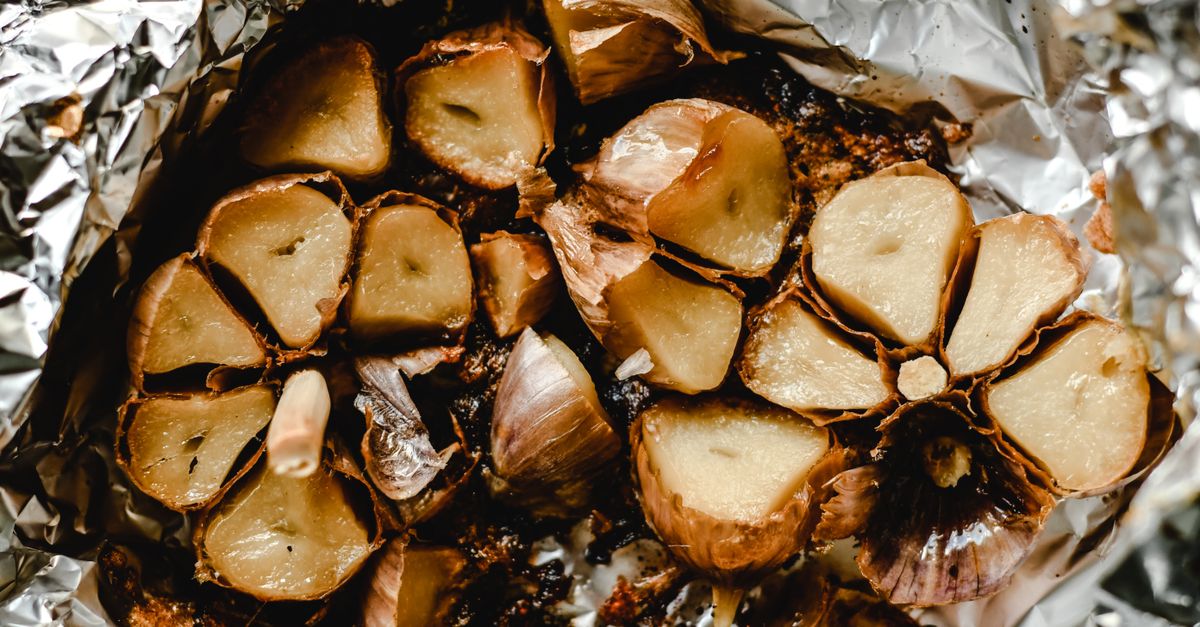
Garlic and ginger, too, need careful attention. They should be added after the onions have had a good head start, and cooked just until fragrant—about 30 seconds to a minute. Overcooked garlic turns bitter, and burnt ginger is equally unpleasant. The goal is to cook them just enough to release their potent aromas without browning them too much. This patient layering of aromatics builds a robust backbone for your curry, ensuring it tastes rich and fully developed, not just like spiced liquid.
The Misunderstood Role of Acidity and Sweetness (Beyond the Obvious)
Many home cooks, myself included, focus heavily on the ‘main’ ingredients and the spices, often overlooking the critical roles of acidity and sweetness in balancing and brightening a curry. A curry that tastes heavy, muddy, or one-dimensional often suffers from a lack of proper balance in these areas.
I used to think that adding coconut milk or cream was enough to bring richness, but a rich curry without some contrasting acidity can quickly become cloying. A splash of lime juice at the end, a dollop of yogurt stirred in, or even a can of diced tomatoes added earlier in the cooking process can cut through the richness, brighten the flavors, and prevent the dish from tasting flat. Tomatoes, in particular, offer both acidity and umami, making them a fantastic secret weapon for depth. I discovered this after a particularly rich butter chicken felt like it was sitting heavy in my stomach; a squeeze of lime transformed it completely.
Similarly, while caramelizing onions provides a foundational sweetness, sometimes an extra touch is needed. A pinch of sugar, a swirl of honey, or a few dates added to the sauce can enhance the overall balance and make the spices pop. This isn’t about making a sweet curry, but about using sweetness to round out and amplify other flavors. It’s often the subtle additions that elevate a good curry to a great one.
Building Layers of Umami: It’s More Than Just Meat
When we talk about depth in curry, we’re often chasing that elusive umami—the savory, satisfying fifth taste. Many assume this comes solely from meat or fish, but truly exceptional curries build umami from multiple sources, transforming even vegetarian versions into profoundly flavorful dishes. My curries started tasting truly exceptional when I consciously began incorporating these umami boosters.
Consider the humble tomato paste. When you add tomato paste after blooming your spices and before liquids, and sauté it for a few minutes until it darkens slightly, you’re not just adding tomato flavor; you’re developing its inherent umami through the Maillard reaction. This caramelization intensifies its savory notes significantly. I’ve seen countless recipes skip this crucial sauté, simply stirring in the paste, which yields a far less impactful result.
Other umami powerhouses include mushrooms (especially dried ones, rehydrated and their liquid used), fermented ingredients like fish sauce (even in vegetarian curries, a tiny dash can add depth without imparting a fishy taste), or even a touch of soy sauce. For vegetarian curries, nutritional yeast, a generous amount of browned paneer, or roasted vegetables can also contribute significantly. Think about adding a handful of dried shiitake mushrooms to your next vegetable curry base, or deglazing the pan with a splash of wine after sautéing aromatics – these are small steps with huge flavor payoffs. It’s about consciously layering these savory notes throughout the cooking process, rather than relying on a single ingredient to carry the entire dish.
The Simmering Secret: Time and Patience for Flavor Marriage
Once all your carefully selected and prepared ingredients are in the pot, the final, yet often underestimated, step is the simmer. Many home cooks are in a hurry, bringing the curry to a boil, reducing it to a quick simmer for 10-15 minutes, and then declaring it done. While technically cooked, the flavors haven’t truly had a chance to marry and deepen.
In my experience, a great curry needs time to gently simmer. I usually aim for at least 30 minutes, often an hour, over very low heat. This slow cooking allows all those individual flavor compounds—from the toasted spices, the caramelized aromatics, the umami boosters, and the main protein or vegetables—to mingle, meld, and transform. The sauce thickens naturally, the ingredients soften and release their essences, and the overall flavor profile becomes infinitely more cohesive and complex. It’s during this extended simmer that a collection of individual tastes truly becomes a harmonious curry.
I vividly remember a time I tried to rush a chicken tikka masala, cutting the simmer short. The sauce was thin, and the flavors felt disjointed. The next time, I let it bubble gently for an extra 45 minutes, and the sauce became rich and glossy, and every bite was infused with balanced, deep flavor. Patience truly is a virtue in curry making. Don’t be afraid to let it slowly do its magic; in fact, many curries taste even better the next day after the flavors have had more time to deepen.
Frequently Asked Questions
Q: Can I use pre-ground spices instead of whole spices?
A: While freshly ground, toasted whole spices offer superior depth, you can still achieve a good curry with quality pre-ground spices. The key is to always bloom them in hot oil with your aromatics for 30-60 seconds until fragrant to intensify their flavor and prevent a raw taste.
Q: My curry tastes bitter. What went wrong?
A: Bitterness often comes from burnt garlic or overcooked spices. Ensure you add garlic after onions have softened and cook it only until fragrant, about 30 seconds. When blooming spices, keep the heat medium-low and stir constantly; they should just become fragrant, not brown or burn.
Q: How do I thicken my curry sauce if it’s too thin?
A: There are a few ways. You can simmer it for longer, uncovered, to allow some liquid to evaporate. Alternatively, you can mix a teaspoon of cornstarch with a tablespoon of cold water to create a slurry, then stir it into the simmering curry and cook for a few minutes until it thickens. For richer thickening, you can blend a portion of the curry sauce (with some of the cooked aromatics) until smooth and stir it back in.
Q: My curry lacks a ‘fresh’ taste. How can I fix this?
A: A lack of freshness often points to insufficient acidity or fresh herbs. Try adding a squeeze of fresh lime juice or a splash of lemon juice at the very end of cooking. Incorporating fresh cilantro, mint, or even a few chopped green chilies (if you like heat) just before serving can brighten the entire dish. A small amount of plain yogurt or a dollop of sour cream stirred in can also add a pleasant tang.
Q: Is it true that curry tastes better the next day?
A: Absolutely! This isn’t just a myth. As a curry sits, especially overnight in the refrigerator, the flavors continue to meld and deepen. The spices fully hydrate, and the various ingredients have more time to infuse into the sauce, resulting in a more harmonious and complex flavor profile. Reheat gently over low heat, adding a splash of water or coconut milk if needed to adjust consistency.
Crafting a truly spectacular homemade curry is a journey, not a sprint. It’s about understanding the nuances of each ingredient and respecting the process of flavor building. By paying attention to the initial toasting and blooming of spices, patiently caramelizing your aromatic base, consciously balancing acidity and sweetness, layering in umami, and allowing for a generous simmer, you’ll transform your curries from merely good to absolutely unforgettable. Take these lessons, experiment, and prepare to impress yourself with the depth of flavor you can achieve right in your own kitchen. Your taste buds will thank you, and that flat, uninspired curry will be a distant memory.