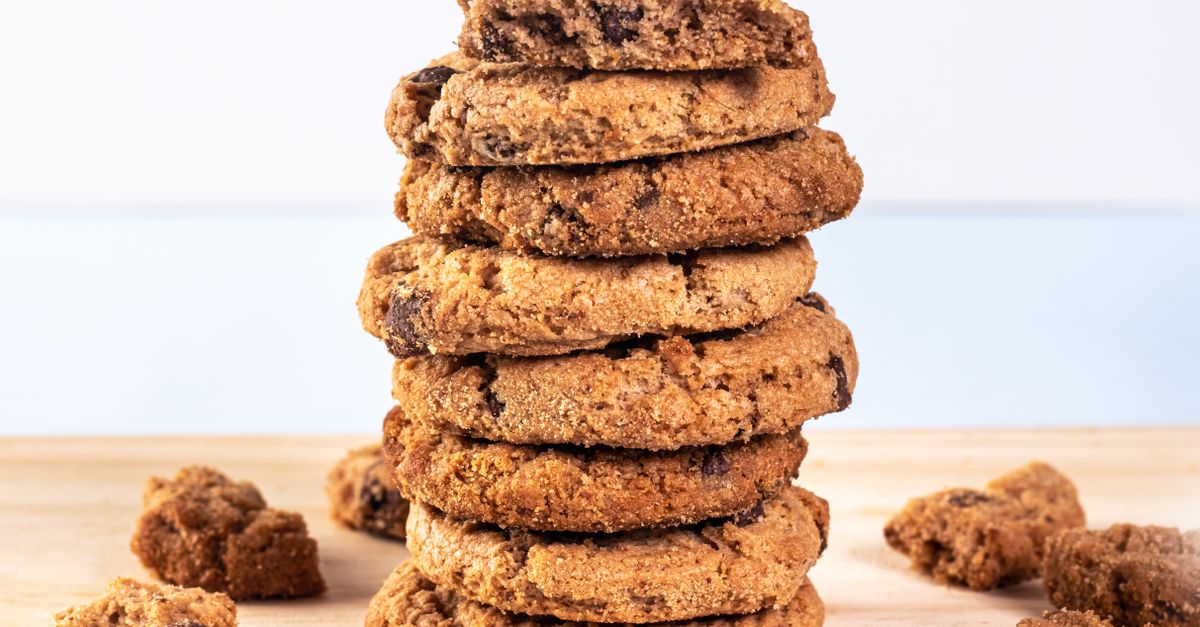
There’s nothing quite as disheartening as pulling a batch of cookies from the oven, only to find they’ve spread into a giant, flat, greasy puddle. You followed the recipe to the letter, you thought. The dough looked perfect. Yet, here you are, with what barely resembles a cookie, much less the plump, chewy, perfectly-domed treats you envisioned. It’s a common baking frustration, and one I wrestled with for years before truly understanding the science behind cookie spread. The good news? It’s almost always fixable, and often, the culprits are subtle details easily overlooked.
I remember one disastrous Christmas Eve. I was making my grandmother’s beloved chocolate chip cookies, a recipe I’d made countless times before, or so I thought. This time, however, something was terribly wrong. Every batch came out flatter than a pancake, crispy on the edges, and chewy in the center, but utterly lacking that characteristic thickness. Panic set in. I tried chilling the dough longer, adding a bit more flour, even adjusting the oven temperature. Nothing worked. It wasn’t until I meticulously re-read her faded, handwritten recipe and started experimenting with each variable that I finally cracked the code. What I discovered fundamentally changed my baking and gave me the confidence to troubleshoot any cookie disaster.
Key Takeaways
- Ensure your butter is the correct temperature and not overly soft or melted, which is a primary cause of excessive spread.
- Measure ingredients, especially flour, precisely using a kitchen scale to maintain proper dough consistency.
- Chill your cookie dough for at least 30 minutes to firm up fats and prevent rapid melting in the oven.
- Use high-quality baking sheets and parchment paper for even heat distribution and less sticking.
The Overlooked Culprit: Butter Temperature and Consistency
When most recipes call for “softened butter,” it’s often misinterpreted as “butter that’s been out for an hour” or even “slightly melted butter.” This is the number one reason I see cookies spread excessively, and it was certainly the root of my Christmas Eve cookie catastrophe. Softened butter should be cool to the touch, pliable enough to leave a slight indentation when pressed, but not oily or shiny. Think of it like firm play-doh, not a melted ice cream cone. If your butter is too warm, it has already lost much of its internal structure. When it hits the heat of the oven, it melts much faster than butter at the correct temperature, releasing its moisture and fat rapidly, which causes the dough to collapse and spread out before it has a chance to set.
In my experience, the ideal temperature for softened butter is around 65-67°F (18-19°C). If it’s colder, you’ll struggle to cream it properly with sugar, leading to a dense cookie. If it’s warmer, you’re inviting the flat cookie monster. What changed everything for me was learning to feel the butter. Instead of just setting it out for a set time, I now press it. If my finger leaves a slight, but not deep, impression, and it still feels cool, it’s perfect. If it feels greasy or looks shiny, it’s too warm. To fix this, simply pop it back into the fridge for 10-15 minutes, checking every few minutes until it reaches that ideal consistency. This small adjustment makes a monumental difference in preventing premature spread and building a sturdy structure in your cookie dough from the very start.
The Hidden Impact of Ingredient Measurement: Especially Flour
Baking is a science, and nowhere is that more evident than in ingredient ratios. While most home cooks scoop flour directly from the bag with a measuring cup, this common practice is a silent killer of perfect cookies. A cup of flour can weigh anywhere from 4.25 ounces (120 grams) if spooned and leveled, to over 6 ounces (170 grams) if scooped directly. This discrepancy of 25-40% more flour than intended is huge! Too much flour results in a dry, crumbly cookie, but too little flour is a prime suspect for excessive spreading.
Flour provides structure. It contains proteins that, when hydrated, form gluten, which creates the framework that holds the cookie together. If you have significantly less flour than the recipe intends, there simply isn’t enough structural integrity in the dough to resist the rapid melting of fats. The cookie spreads out thinly because there’s nothing to hold it up. The mistake I see most often is using volumetric measurements (cups) without proper technique. What changed everything for me was investing in a simple kitchen scale. It’s a game-changer. Once I started weighing my flour, and indeed all my dry ingredients, my cookies became consistently reliable. A typical all-purpose flour cup, when properly spooned into the cup and leveled, weighs around 120-125 grams. If your recipe calls for 2 cups of flour, that’s 240-250 grams. Stick to that, and you’ll eliminate a major variable in cookie spread. This precision ensures your dough has the right balance of wet and dry ingredients, giving your cookies the best chance to hold their shape.
The Power of a Chill: Why Cold Dough is Your Best Friend
Skipping the chilling step is a temptation many succumb to when faced with the irresistible aroma of fresh cookie dough. However, this is a critical mistake, especially if you’re battling flat cookies. Chilling your cookie dough isn’t just about developing flavor (though it certainly helps with that too); it’s fundamentally about firming up the fats in the dough. When butter is cold, it melts more slowly in the oven. This slow melt gives the other ingredients – particularly the flour and eggs – more time to set and create structure before the cookie spreads out too much. Think of it as a race: if the butter melts too fast, the structure loses.
In my experience, even a short 30-minute chill can make a noticeable difference, but for truly resilient dough, I aim for at least an hour, or even overnight. For extra stubborn spreaders, a 24-hour chill can work wonders. What I’ve found is that after chilling, the butter molecules are locked into place, and the flour has had more time to fully hydrate, strengthening the gluten network. When the chilled dough hits the hot baking sheet, the outside begins to bake and set quickly, creating a barrier that resists rapid spreading. When I’m in a hurry, I’ll sometimes shape the dough balls and then pop them into the freezer for 15-20 minutes before baking. This quick-chill method is surprisingly effective for immediate gratification without sacrificing too much structure. Don’t underestimate the power of a cold dough; it’s a simple, non-negotiable step for consistently thick cookies.
Baking Surface Matters: The Unsung Hero of Cookie Structure
It might seem counterintuitive, but the surface you bake your cookies on plays a significant role in how much they spread. The type of baking sheet, whether you grease it, and if you use parchment paper or silicone mats, all impact the cookie’s final texture and shape. Dark, thin baking sheets tend to absorb and conduct heat much faster than lighter, heavier ones. This rapid transfer of heat can cause the bottom of your cookies to brown and set too quickly, while the top is still spreading, leading to a thinner cookie.
Conversely, a baking sheet that is too cold, or a heavily greased one, can also contribute to spread. If the sheet is cold, the butter in the dough will begin to melt and spread before the sheet has heated sufficiently to set the edges. A greased sheet, especially one with too much fat, acts like a slippery slope, allowing the dough to spread out uninhibited. What changed everything for me was switching to heavy-gauge, light-colored aluminum baking sheets, and always, always using parchment paper. Parchment paper provides a slightly textured, non-stick surface that allows for even baking without the risk of over-greasing. It also makes cleanup a breeze! Silicone baking mats (like Silpat) are also excellent; they offer superior insulation and even heat distribution, often resulting in slightly thicker, chewier cookies. Avoid reusing a hot baking sheet without letting it cool completely between batches, as residual heat will cause the next batch to spread immediately upon contact.
Frequently Asked Questions
Q: Can adding more flour fix overly spreading cookies?
A: Yes, if your initial problem was too little flour, adding a small amount (e.g., 1-2 tablespoons per cup of flour in the recipe) can help. However, adding too much flour will result in dry, crumbly cookies. The best approach is to measure flour precisely by weight from the start.
Q: Why do my cookies spread even when I chill the dough?
A: If your cookies still spread after chilling, check other factors. Your butter might have been too soft initially, your oven temperature could be inaccurate (too low), or you might be using too much leavening (baking soda/powder). Ensure your oven thermometer is calibrated and that you’re not over-creaming butter and sugar.
Q: Does oven temperature affect cookie spread?
A: Absolutely. An oven that is too low in temperature allows the butter to melt and the cookies to spread significantly before they have a chance to set. An oven that is too hot can cause the edges to set too quickly while the middle remains undercooked, or brown them excessively before the interior is done. Calibrate your oven with an inexpensive thermometer.
Q: Should I use baking soda or baking powder to prevent spread?
A: Both leavening agents contribute to spread, but in different ways. Baking soda reacts with acids to produce CO2, causing rapid lift and then spread. Baking powder (double-acting) reacts twice, once with moisture and again with heat, providing a more sustained lift. Generally, reducing leavening slightly (by about 1/4 teaspoon per cup of flour) can help if excessive leavening is the primary cause of spreading, but stick to the recipe’s specified type and amount as closely as possible.
Q: Can too much sugar cause cookies to spread?
A: Yes, sugar melts when heated, and if there’s an excessive amount, it can contribute significantly to cookie spread. Sugar also attracts and holds moisture, which can make the dough softer and more prone to spreading. Ensure you’re measuring your sugar accurately, ideally by weight.
There you have it – the secrets to banishing flat, greasy cookies from your kitchen forever. It truly boils down to understanding the role of each ingredient and process, rather than blindly following a recipe. Pay close attention to your butter’s consistency, measure your flour precisely with a scale, always give your dough a good chill, and optimize your baking surface. These small, deliberate adjustments will transform your cookie baking, yielding those perfectly plump, chewy, and structurally sound treats you’ve always dreamed of. Go forth and bake with confidence; your perfect cookie awaits!