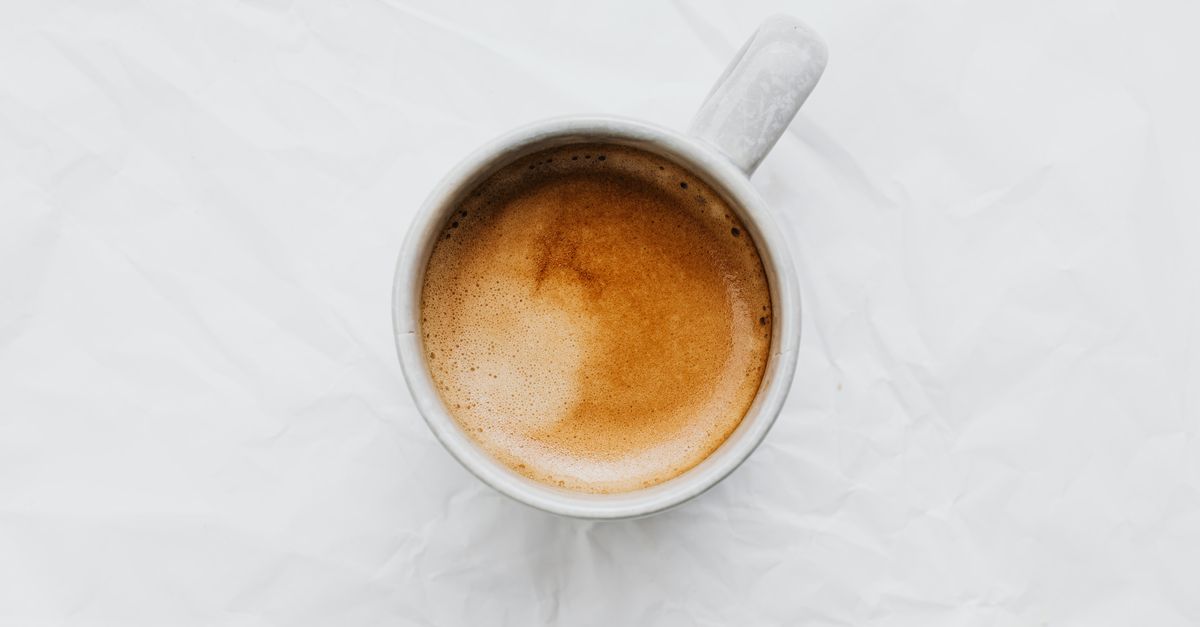
Is there anything more disappointing than waking up, smelling that beautiful coffee aroma, and taking a sip only to be met with a harsh, acrid bitterness? You bought good beans, you followed the instructions, and yet, your morning cup leaves a lingering, unpleasant taste that even milk and sugar struggle to mask. I’ve been there more times than I care to admit, pouring countless batches down the drain, convinced that truly great coffee was reserved for the pros at the local cafe. The mistake I see most often is that home brewers blame the beans or their equipment, when in reality, the culprit is often a series of small, easily correctable missteps in their brewing routine. What changed everything for me was understanding the underlying science of extraction and how to manipulate it to my advantage. It’s not about expensive gadgets; it’s about precision and attention to detail.
Key Takeaways
- Bitterness in coffee primarily stems from over-extraction, grinding too finely, or using water that’s too hot.
- Invest in a burr grinder for uniform particle size, which is crucial for even extraction and avoiding bitterness.
- Control your water temperature precisely, aiming for 195-205°F (90-96°C) to optimize flavor extraction without burning the grounds.
- Adjust your grind size; coarser grinds reduce extraction speed and bitterness, while finer grinds increase it.
The Over-Extraction Trap: Why Too Much is Worse Than Too Little
When I first started brewing coffee at home, my default was always to let it sit longer, thinking more time meant more flavor. This is the over-extraction trap, and it’s the primary reason most home brewers end up with bitter coffee. Think of coffee brewing as dissolving flavors from the ground beans into water. First, the desirable acids and fruity notes come out. Then, the balanced sweetness and body. And finally, if you keep extracting, you start pulling out undesirable bitter compounds and astringent, dry flavors. My early mistake was pushing extraction too far, trying to wring every last bit of flavor out of the beans, only to discover I was mostly getting the bad stuff. The ideal extraction point is a sweet spot where you get maximum deliciousness without venturing into the bitter territory. For most brewing methods, this means aiming for a total dissolved solids (TDS) percentage between 18% and 22%. Going beyond this threshold almost guarantees bitterness, regardless of how high-quality your beans are. The simple fact is, some parts of the coffee bean just don’t taste good when fully extracted, and those are the parts you’re tasting when your coffee is bitter.
The Unsung Hero: Why Your Grinder Matters More Than Your Brewer
For years, I bought pre-ground coffee or used a cheap blade grinder, thinking it was “good enough.” This was a colossal error. A blade grinder doesn’t grind coffee; it chops it inconsistently. You end up with a mix of fine powder and large chunks. What happens when you brew coffee with this uneven mixture? The fine particles over-extract quickly, releasing all those bitter compounds, while the larger chunks under-extract, contributing sourness and weakness. The result is a cup that’s both bitter and weak—a truly tragic combination. The game-changer for me was investing in a good quality burr grinder. Whether it’s a hand grinder or an electric one, a burr grinder crushes the beans between two abrasive surfaces, resulting in a consistent, uniform particle size. This consistency ensures that every single particle of coffee extracts at roughly the same rate, allowing you to hit that sweet spot of balanced flavor without over-extracting the fine bits into bitterness. You might spend a bit more upfront, but the daily improvement in your coffee quality is immediately noticeable and profoundly satisfying. It’s the single biggest upgrade you can make to your home brewing setup.
Water Temperature: The Silent Killer of Good Coffee
I used to boil water, wait a minute or two, and then pour. This seemingly innocuous step was actually sabotaging my coffee. Water that is too hot (above 205°F or 96°C) can literally scorch the coffee grounds, rapidly dissolving bitter compounds and oils that contribute to an acrid taste. On the flip side, water that is too cool (below 195°F or 90°C) won’t extract enough flavor, leading to a weak, sour, or under-extracted cup. The sweet spot for brewing coffee is generally between 195°F and 205°F (90-96°C). In my experience, even a five-degree difference can dramatically impact the final taste. What changed everything for me was getting a simple electric kettle with temperature control. It sounds like a luxury, but being able to set the exact temperature takes all the guesswork out of one of the most crucial variables. Suddenly, my coffee went from inconsistently palatable to consistently delicious. If you don’t have a temperature-controlled kettle, boil your water and then let it sit off the heat for about 30-60 seconds before pouring; this usually brings it into the ideal range.
Brewing Ratios and Time: Finding Your Personal Sweet Spot
Once you’ve got your grind and water temperature dialed in, the next crucial step is managing your coffee-to-water ratio and brewing time. These two factors directly influence how much is extracted from your coffee. A common mistake is using too little coffee for too much water, or letting the coffee brew for an excessively long period in an attempt to make it stronger. This often leads to over-extraction and bitterness. A general recommendation for most brewing methods (drip, pour-over, French press) is a 1:15 to 1:17 ratio of coffee to water. That means for every 1 gram of coffee, you use 15 to 17 grams of water. For example, if you use 30 grams of coffee, aim for 450-510 grams of water. Weighing your coffee and water, rather than relying on scoops, provides a level of precision that eliminates much of the inconsistency. As for brewing time, each method has an ideal range: pour-over typically 2-4 minutes, French press 4-5 minutes, and drip brewers vary. If your coffee is consistently bitter, try shortening your brew time slightly or using a slightly coarser grind. If it’s weak or sour, try extending the brew time or using a slightly finer grind. This iterative process of small adjustments will help you dial in the perfect cup for your specific beans and equipment.
Frequently Asked Questions
Q: Can old coffee beans cause bitterness?
A: Yes, absolutely. As coffee beans age after roasting, they degas and the oils can become rancid. This leads to a flat, sometimes papery, and often bitter taste. Always buy fresh beans, ideally roasted within the last two weeks, and consume them within 4-6 weeks of the roast date for optimal flavor.
Q: Does water quality affect coffee bitterness?
A: It dramatically does. Hard water (high mineral content) can inhibit proper extraction, sometimes leading to a weak and bitter taste. On the other hand, overly soft water can over-extract. Filtered water, free of chlorine and off-tastes, and with a balanced mineral content (around 150 ppm total hardness), is ideal for brewing coffee and prevents unwanted bitterness or sourness.
Q: My espresso is always bitter. Are the same rules for drip coffee apply?
A: While the principles are similar (over-extraction causes bitterness), espresso is much more sensitive due to the high pressure and short extraction time. For bitter espresso, the most common culprits are a grind that’s too fine, water that’s too hot, or pulling the shot for too long. Try coarsening your grind slightly, ensuring your machine is at the correct temperature, and aiming for a shot time of 25-30 seconds for a double shot.
Q: Is it possible for coffee to be both sour and bitter?
A: Yes, it is! This often indicates highly inconsistent extraction. The fine particles might be over-extracting (bitter) while the coarser particles are under-extracting (sour). This is a strong indicator that your grinder isn’t producing a consistent grind. A high-quality burr grinder is the best solution to eliminate this problem.
Q: Can the type of roast affect bitterness?
A: Yes, darker roasts tend to have more inherent bitterness due to the longer roasting process breaking down more of the coffee’s acids and sugars. While a well-brewed dark roast can be rich and robust, it’s more prone to tasting acrid or burnt if over-extracted. Lighter roasts tend to be brighter and more acidic, less prone to true bitterness but more prone to sourness if under-extracted.
Mastering your coffee at home is a journey, not a destination. But by focusing on these core elements—grind consistency, precise water temperature, and mindful extraction time—you can eliminate that persistent bitterness and unlock the truly delicious potential of your beans. It’s about understanding the science and then making small, deliberate adjustments. My challenge to you is to pick one of these areas – maybe invest in a good burr grinder, or simply start weighing your coffee and water – and see the dramatic difference it makes. Your morning cup will thank you.