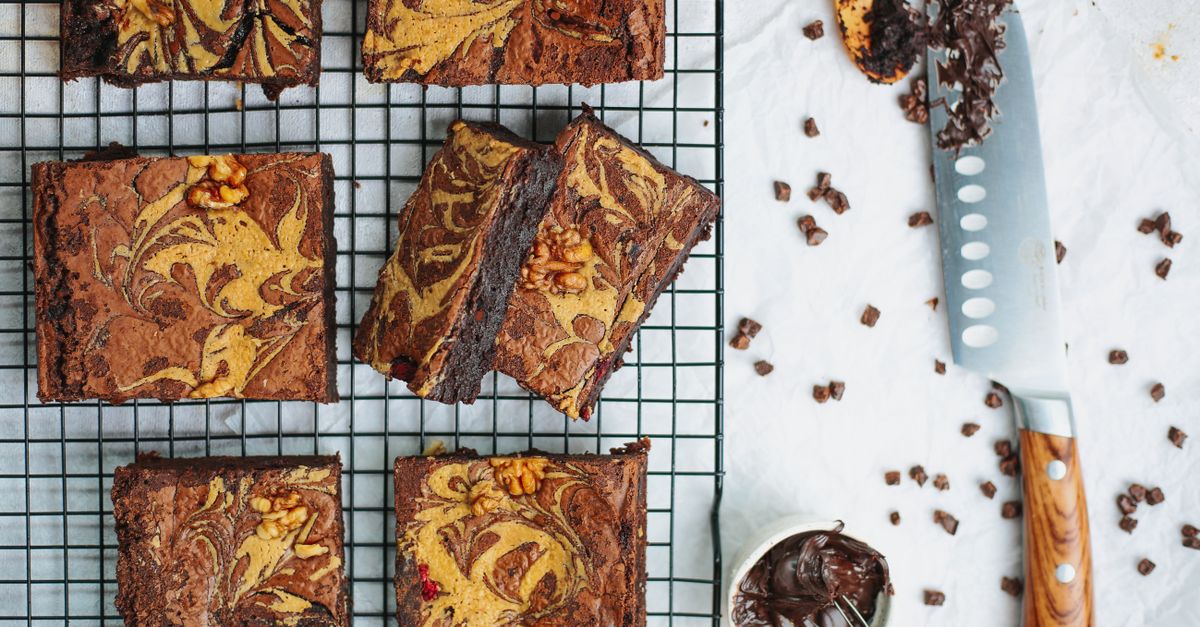
Every home baker dreams of that perfect brownie: a shimmering, crackly top, an intensely chocolatey flavor, and a texture that’s the ideal balance of fudgy and satisfyingly chewy. But far too often, we pull a pan from the oven only to find a brownie that’s either cakey, crumbly, or just… soft. It’s perfectly edible, of course, but it’s not the transcendent experience we crave, the one that makes you close your eyes and truly savor each bite.
I’ve been there more times than I care to admit. For years, my brownies were consistently good, never great. They lacked that signature chew that elevates a brownie from a simple chocolate square to a truly indulgent treat. I blamed my oven, my chocolate, even the weather. But what I eventually discovered, after countless batches and a deep dive into baking science, was that the problem wasn’t external. It was in my technique, and more importantly, in a few surprisingly small, yet critical, ingredient and process choices that most home bakers—myself included for a long time—completely overlook.
My perspective on brownies shifted entirely when I started treating them less like a cake and more like a dense chocolate confection. What changed everything for me was understanding that achieving that coveted chewiness isn’t about one magic ingredient, but a symphony of factors working in harmony. It’s about how you approach your fat, your sugar, your flour, and even your mixing. Once I grasped these nuances, my brownies transformed from merely good to consistently spectacular, eliciting requests for the recipe every single time.
Key Takeaways
- Prioritize melted butter and oil over solid fat for moisture and chew, as they create a denser texture.
- Use a mix of brown and granulated sugar, and ensure thorough beating with eggs, to develop the shiny crust and chewy body.
- Embrace minimal flour and avoid overmixing to prevent gluten development and a cakey texture.
- Understand that precise baking time and proper cooling are essential for setting the fudgy, chewy structure.
The Overlooked Power of Fat: Why Melted Butter and Oil Are Your Best Friends
For years, I made the mistake of creaming butter and sugar for my brownies, just like I would for cookies or cakes. It felt natural, a fundamental baking step. But here’s the critical difference: creaming incorporates air, which leads to a lighter, cake-like texture. For that dense, fudgy, and undeniably chewy brownie, you want to minimize air and maximize richness. This is where melted butter, often complemented by a neutral oil, becomes a game-changer.
Melted butter integrates seamlessly into the batter, coating the flour particles and inhibiting gluten formation, which is the enemy of chewiness. Gluten strands, when developed too much, give elasticity and structure, leading to a springy, cake-like crumb. Melted butter ensures a tender, almost gooey interior. When I finally switched to fully melted butter, whisked directly into the sugar and eggs, I immediately noticed a difference in the batter’s consistency and the final brownie’s chew.
Adding a touch of neutral oil, like vegetable or canola oil, further enhances this effect. While butter provides unparalleled flavor, oil is 100% fat and remains liquid at room temperature, contributing to a truly moist and fudgy texture that stays soft longer. In my experience, a ratio of about 3/4 melted butter to 1/4 neutral oil creates the perfect balance: deep buttery flavor with an unbeatable, long-lasting chew. The mistake I see most often is bakers either creaming butter or using only solid fat, which simply doesn’t deliver the same moisture and density required for true chewiness. This seemingly small shift in how you handle your fat is one of the most impactful changes you can make.
The Sweet Spot: Sugar’s Role Beyond Sweetness
Many home bakers think of sugar solely for its sweetness, but in brownies, it’s a structural and textural powerhouse. The type and amount of sugar, along with how it’s incorporated, are paramount to achieving that coveted chewy texture and the shiny, crackly top that is the hallmark of a truly great brownie.
Granulated sugar, when beaten with eggs, helps create that desirable thin, crackly crust on top. As the sugar dissolves and the eggs cook, a meringue-like layer forms, giving brownies their signature sheen. However, relying solely on granulated sugar can sometimes lead to a slightly crisper, rather than chewier, crumb. This is where brown sugar comes in. Brown sugar contains molasses, which is hygroscopic, meaning it attracts and retains moisture. This added moisture is crucial for a fudgy interior and contributes significantly to the chewy mouthfeel.
What changed everything for me was experimenting with the sugar ratio. I found that a blend, typically a 1:1 or 2:1 ratio of granulated to brown sugar (e.g., 1 cup granulated, 1/2 cup brown, or 1 cup granulated, 1 cup brown), works wonders. Not only does it provide depth of flavor, but the molasses in the brown sugar actively ensures moisture retention, leading to a richer, chewier brownie that doesn’t dry out quickly. The technique is also vital: thoroughly beating the sugars with the melted butter and eggs for 2-3 minutes until light and slightly thickened, ensures proper dissolution of the sugar, contributing to both the crust and the chewiness. Skipping this critical beating step means sugar crystals won’t fully dissolve, potentially leading to a grainy texture and a less prominent crackly top.
The Flour Factor: Less is More for Chewiness
When aiming for a chewy brownie, think minimalism when it comes to flour. Flour provides structure, but too much, or over-mixing it, is the quickest way to turn your fudgy brownie dreams into a cakey reality. The gluten in flour develops when it interacts with liquid and is agitated (mixed). The more you mix flour, the more gluten develops, leading to that elastic, springy texture characteristic of cakes, not dense, chewy brownies.
My biggest mistake in earlier baking attempts was treating brownie batter like cookie dough, meticulously ensuring no streaks of flour remained. What I later learned was that it’s okay, even preferable, to have a few small streaks of flour when you stop mixing. You want to mix the dry ingredients into the wet ones just until combined, and no further. This typically means adding the flour mixture and folding gently with a spatula, maybe 10-15 folds, until almost all visible flour has disappeared.
Furthermore, the amount of flour matters. Many brownie recipes call for a relatively high proportion of flour, which is fine if you prefer a cakey brownie. For true chewiness and fudge-like density, you want a lower flour-to-fat/sugar ratio. I’ve found that using anywhere from 1/2 cup to 1 cup of all-purpose flour for an 8x8 or 9x13 pan, depending on the other ingredients, yields the best results. Anything more tends to push the brownie towards cake territory. This delicate balance, treating flour with respect and restraint, is crucial for preserving that melt-in-your-mouth, chewy texture.
Baking Time and Cooling: The Patience Pays Off
Even with the perfect batter, a truly chewy brownie can be sabotaged by improper baking and cooling. This is perhaps the most common pitfall because it requires both precise timing and a healthy dose of patience that many eager bakers (myself included in my early days) struggle with.
Undercooking is often hailed as the secret to fudgy brownies, and while it’s partially true for fudginess, it can actually lead to an unstable brownie that collapses or crumbles, rather than a chewy one. You need enough bake time for the eggs to set and for some of the sugar to caramelize, contributing to that firm yet yielding chew. Overbaking, on the other hand, is a death knell for chewiness, drying out the brownies and making them cakey and brittle.
What truly changed my brownie game was learning to trust the visual cues over strict timer adherence, while still keeping an eye on the clock. Brownies for chewiness are ready when the edges are set and a little crackly, but the center still looks slightly underbaked and a bit jiggly. When you insert a toothpick into the center, you want it to come out with moist crumbs, not wet batter, and certainly not completely clean. For an 8x8 pan, this typically falls in the 25-30 minute range for a very fudgy, chewy brownie, but ovens vary wildly. My old oven needed 28 minutes, my new one needs 26.
And then, the crucial part: cooling. Resist the urge to cut into warm brownies! Warm brownies are soft and fragile; they haven’t had a chance to fully set their structure. As they cool, the fats solidify, the sugars recrystallize, and the moisture redistributes, creating that dense, chewy texture we’re after. I’ve found that cooling brownies completely on a wire rack for at least 2 hours, or even chilling them in the refrigerator for 30-60 minutes, makes a monumental difference. The patience here is key; it’s the final, non-negotiable step to truly locking in that glorious chewiness.
Frequently Asked Questions
Q: Why do my brownies always turn out cakey, not chewy?
A: Your brownies are likely cakey because you’re either using too much flour, overmixing the batter once the flour is added (which develops gluten), or creaming solid butter and sugar, incorporating too much air. For chewiness, use less flour, mix gently, and opt for melted butter and a touch of oil.
Q: Can I use cocoa powder instead of melted chocolate for chewy brownies?
A: Yes, you can. Many excellent chewy brownie recipes use only cocoa powder. The key is to ensure you’re still providing enough fat (melted butter and/or oil) and a good balance of sugars (granulated and brown) to maintain moisture and density. Cocoa powder often requires a slightly higher fat content to achieve the same fudgy texture as recipes using melted chocolate.
Q: What’s the ideal pan size for chewy brownies?
A: For an 8x8-inch pan, a standard recipe usually yields thicker, fudgier, and chewier brownies because the batter is deeper, taking longer to bake through. A 9x13-inch pan will produce thinner brownies, which can still be chewy but might lean more towards slightly crispier edges. Always adjust baking time based on pan size and thickness.
Q: How do I get that shiny, crackly top on my brownies?
A: The shiny, crackly top comes from properly dissolving the sugar and incorporating air before the flour is added. Beat your melted butter (or oil), sugars, and eggs together thoroughly (2-3 minutes) until the mixture is light, thick, and slightly foamy. This creates a meringue-like layer on top as it bakes.
Q: Can I store chewy brownies in the fridge to make them chewier?
A: Yes, chilling brownies in the refrigerator can enhance their chewiness and fudginess, as the fats solidify further, leading to a denser texture. However, bring them back to room temperature or warm slightly before serving for the best flavor experience. Store in an airtight container for optimal freshness.
Conclusion
Achieving that perfectly fudgy, chewy brownie isn’t some elusive baking magic; it’s a direct result of understanding and respecting a few core principles. By shifting your approach to fat from creaming to melting, leveraging the power of both granulated and brown sugars, practicing restraint with flour, and meticulously managing your bake time and cooling process, you’ll unlock a level of brownie perfection you might not have thought possible. It transformed my baking, and I’m confident it will transform yours too.
Stop settling for merely good brownies. Embrace these insights, make these simple yet profound shifts in your technique, and prepare to pull truly spectacular, intensely chocolatey, and gloriously chewy brownies from your oven every single time. Your taste buds (and anyone you share them with) will thank you for it. Experiment with these tips in your next batch, and savor the chewy, fudgy difference!