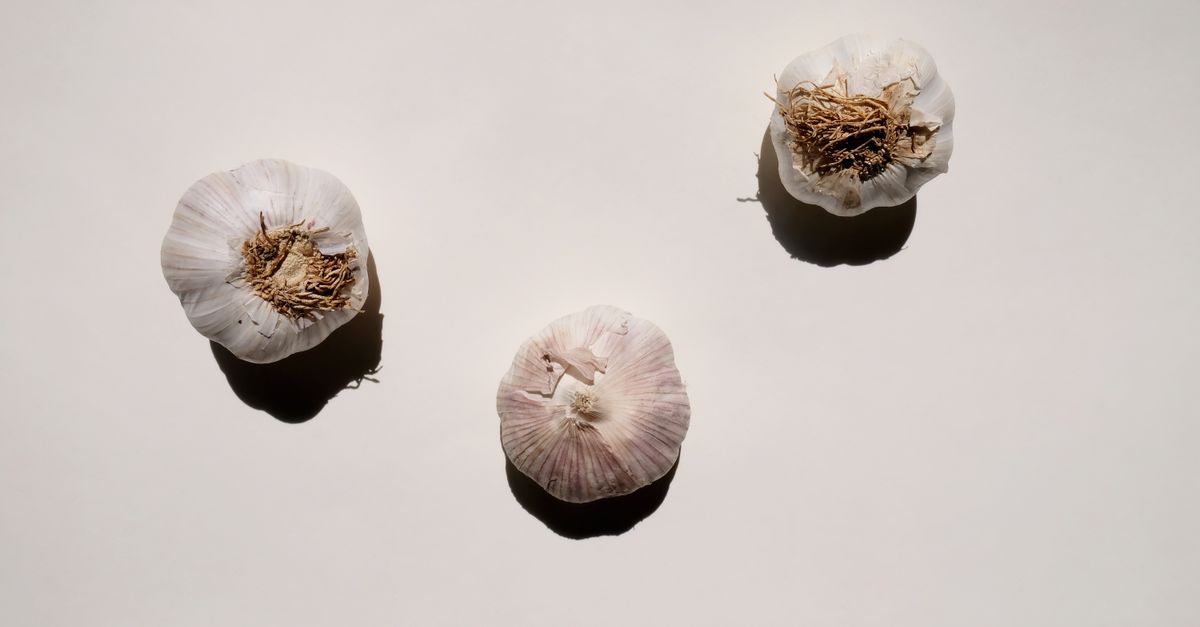
There’s nothing quite like the intoxicating aroma of garlic sizzling in a hot pan. It’s the foundational note for countless dishes, the starting point for so much culinary magic. Yet, in my years of teaching and cooking, I’ve seen this critical step go awry more times than I can count. A brief distraction, a moment of impatience, and suddenly that beautiful, fragrant aroma turns into a sharp, acrid bitterness that can hijack an entire dish. If you’ve ever started a sauce or stir-fry only to have a faint, unpleasant ‘burnt’ note permeate everything, you know exactly what I’m talking about.
It’s a common pitfall: the desire to get that garlic flavor into your oil quickly leads to high heat and charred pieces. But here’s the secret: truly great garlic flavor isn’t about blasting it; it’s about coaxing out its complex aromatics gently. It’s a delicate balance, and mastering it elevates your cooking from good to truly exceptional. The mistake isn’t usually a lack of effort, but a misunderstanding of garlic’s unique chemistry and how it reacts to heat.
Key Takeaways
- Garlic burns quickly due to its low water content and high sugar concentration, making it prone to scorching at high temperatures.
- Always add garlic to a warm pan, not a searing hot one, and use moderate to low heat to gently release its aromatics.
- Chop or mince garlic just before cooking to maximize its allicin content, which is responsible for its pungent flavor and health benefits.
- To prevent burning in long-cooking dishes, add garlic later in the process or protect it with other ingredients.
The Fundamental Misunderstanding: Garlic Isn’t Like Onions
One of the biggest culprits behind burnt garlic is treating it like an onion. We often start dishes by caramelizing onions over medium-high heat, a process that can take 10-15 minutes or more. Garlic, however, is a completely different beast. Its cellular structure is far more delicate, and its chemical composition, particularly its sugar content, makes it incredibly susceptible to rapid burning. Onions have a higher water content, which acts as a buffer, allowing them to soften and sweeten gradually as the water evaporates. Garlic has far less water, meaning it goes from raw to perfectly fragrant to burnt in a matter of seconds. I’ve personally ruined many a pasta sauce in my early cooking days by rushing this step, convinced that more heat meant more flavor. It doesn’t.
The key distinction lies in the browning process. While we aim for deep, rich caramelization in onions, with garlic, we’re simply looking for it to become fragrant and just start to turn a light golden. Any darker, and those delicate, sweet notes transform into bitterness. This means the window of perfection is incredibly narrow, often no more than 30-60 seconds when done correctly. This quick transition demands your full attention, something many home cooks, myself included, often forget in the busy flow of preparing a meal.
The Temperature Trap: Why a Sizzling Pan is Garlic’s Enemy
Most recipes instruct you to heat oil in a pan before adding ingredients. For many things—searing meat, sautéing vegetables—a hot pan is ideal. For garlic, it’s a death sentence. When you drop finely minced garlic into screaming hot oil, the surface immediately scorches, creating that bitter crust long before the interior has a chance to release its full aromatic oils. The temperature of your cooking fat is the single most critical factor in preventing burnt garlic.
My approach, and what changed everything for me, is to always start with a warm pan, not a hot one. I add the oil (or butter) to a cold or barely warm pan, then add the minced garlic before turning the heat to medium-low. This allows the garlic to infuse the oil as the temperature slowly rises, gently releasing its flavor compounds without shocking them. It’s like a slow, tender hug from the oil, rather than a violent assault. You’ll notice the aroma building gradually, a much more pleasant experience than the frantic scramble to pull garlic off a smoking hot pan. This subtle shift in timing can truly revolutionize your garlic game, ensuring a consistent, beautiful aroma every single time without the rush.
The Chopping Conundrum: Surface Area and Release
How you prepare your garlic also plays a significant role in how it cooks and whether it burns. There’s a common misconception that all garlic is created equal in the pan, regardless of how it’s cut. In reality, the surface area exposed to heat dramatically impacts cooking time and flavor release. Minced garlic, with its tiny pieces and maximum exposed surface area, releases its flavor most rapidly but also burns the fastest. Sliced garlic offers a little more grace period, and whole cloves or crushed cloves are the most forgiving.
For most everyday cooking where you want a pervasive garlic flavor, mincing is often preferred. However, to prevent burning, I always emphasize a consistent, fine mince. Uneven pieces will cook at different rates, leading to some bits being perfectly golden while others are already charred. Beyond consistency, consider when you chop. Allicin, the compound responsible for garlic’s characteristic pungency and many of its health benefits, is formed when garlic cells are crushed or chopped and two compounds, alliin and alliinase, combine. This reaction takes a few minutes. Chopping your garlic just before you add it to the pan, rather than well in advance, maximizes this allicin release, ensuring a more vibrant flavor. And if you’re making something like a garlic confit, where low and slow is the name of the game, you can even leave the cloves whole or thinly sliced, allowing for a much longer, more gentle cooking process without fear of burning.
Strategic Shielding: Protecting Garlic in Complex Dishes
Not every dish allows for garlic to be cooked in isolation before other ingredients join the party. Sometimes, garlic is just one component in a sauté that includes onions, peppers, or other longer-cooking vegetables. This is where strategic shielding comes into play. If you add minced garlic at the very beginning alongside onions, it will almost certainly burn before the onions have even begun to soften. This is a mistake I made for years, thinking ‘all aromatics go in first!’
My golden rule for complex sautés is this: if other vegetables take significantly longer to cook, add the garlic after they’ve had a head start. For example, when making a stir-fry, I’ll often add the harder vegetables first, cook them for a few minutes until they’re partially tender, then push them to one side of the pan and add the garlic (and often ginger) to the clearer spot, letting it cook for 30-60 seconds, then toss everything together. The moisture released by the other vegetables can also help create a slightly buffered environment, further protecting the garlic from direct, scorching heat. Similarly, if you’re building a sauce with a lot of liquid, add the garlic after the initial sauté of other aromatics, just before introducing any liquids. The liquid will immediately cool the pan, arresting any further browning and preserving that sweet garlic flavor.
The Power of the Pause: Your Secret Weapon Against Burnt Garlic
Finally, and this might sound counter-intuitive in a busy kitchen, one of the most effective strategies against burnt garlic is simply learning to pause. Cooking is not a race, and the few extra seconds you dedicate to tending your garlic will pay dividends in flavor. Once your garlic is in the warm oil over medium-low heat, do not walk away. Stand there, gently stirring, and watch it. You’re looking for it to become fragrant, and for the edges to just begin to turn a very pale, almost translucent golden. This usually takes 30 seconds to a minute, depending on the pan and heat.
As soon as you see those first signs of color, or as soon as the aroma fills your kitchen and you judge it perfect, it’s time to act. If the recipe calls for other ingredients, add them immediately. If not, consider deglazing the pan with a splash of wine, broth, or even water. The liquid will instantly cool the pan and stop the cooking process, preserving the garlic’s sweet, pungent notes without letting them tip into bitterness. This ‘power of the pause’ combined with quick action is the difference between perfectly golden garlic and a batch that’s destined for the bin. It’s a skill that requires presence and attention, but like any good habit, it becomes second nature with practice.
Frequently Asked Questions
Q: Can I use pre-minced garlic to avoid burning?
A: While convenient, pre-minced garlic in a jar often has a diminished flavor and can burn even faster due to processing. Freshly minced garlic is always superior for flavor and controlling the cooking process. If you must use pre-minced, be extra vigilant with heat and cooking time.
Q: What if my recipe calls for garlic to be cooked for a long time, like in a stew?
A: For long-cooking dishes, either add the garlic much later in the cooking process (e.g., in the last 15-30 minutes) or use whole, peeled cloves which are much more resistant to burning. They will soften and release their flavor slowly without charring.
Q: My garlic still burns sometimes. What’s the best way to rescue the dish?
A: If your garlic burns severely and gives off a strong, bitter smell, it’s often best to scrape out the burnt pieces and start the garlic step over. A little char might be tolerable for some, but a truly bitter taste will overpower the entire dish and is very difficult to mask.
Q: Does the type of fat matter when cooking garlic?
A: Yes, it can. Fats with a high smoke point (like canola, grapeseed, or refined avocado oil) are more forgiving than those with lower smoke points (like butter or extra virgin olive oil). If using butter or EVOO, ensure your heat is truly low and watch it very carefully, or combine them with a higher smoke point oil.
Q: Is there a trick to tell when garlic is perfectly cooked?
A: The best indicator is your nose and eyes. When a sweet, pungent aroma fills your kitchen and the garlic pieces are a very light golden or pale translucent yellow (not dark brown), it’s done. Don’t wait for a deep golden color, as that’s often too late for delicate minced garlic.
Mastering garlic isn’t about complex techniques; it’s about understanding its nature and giving it the respect it deserves in the pan. By adjusting your heat, timing, and even your chopping method, you can transform a common kitchen frustration into a consistent source of rich, aromatic flavor. Pay attention, trust your senses, and embrace the gentle art of cooking garlic. Your dishes will thank you, and you’ll find a new level of confidence in your cooking. Now, go forth and make some incredibly flavorful food, perfectly garlicky food!